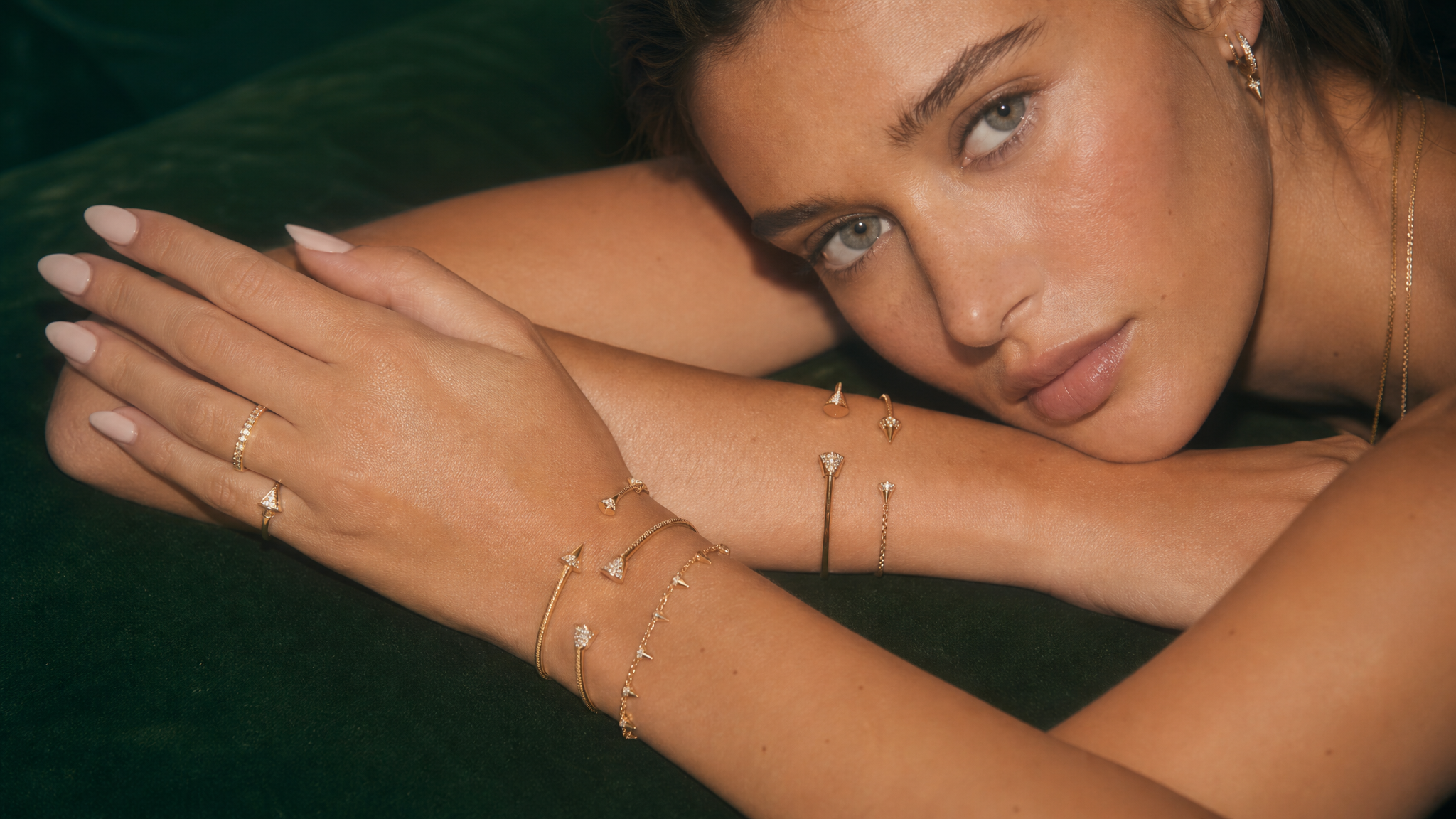


How to Build a Minimalist Jewelry Wardrobe
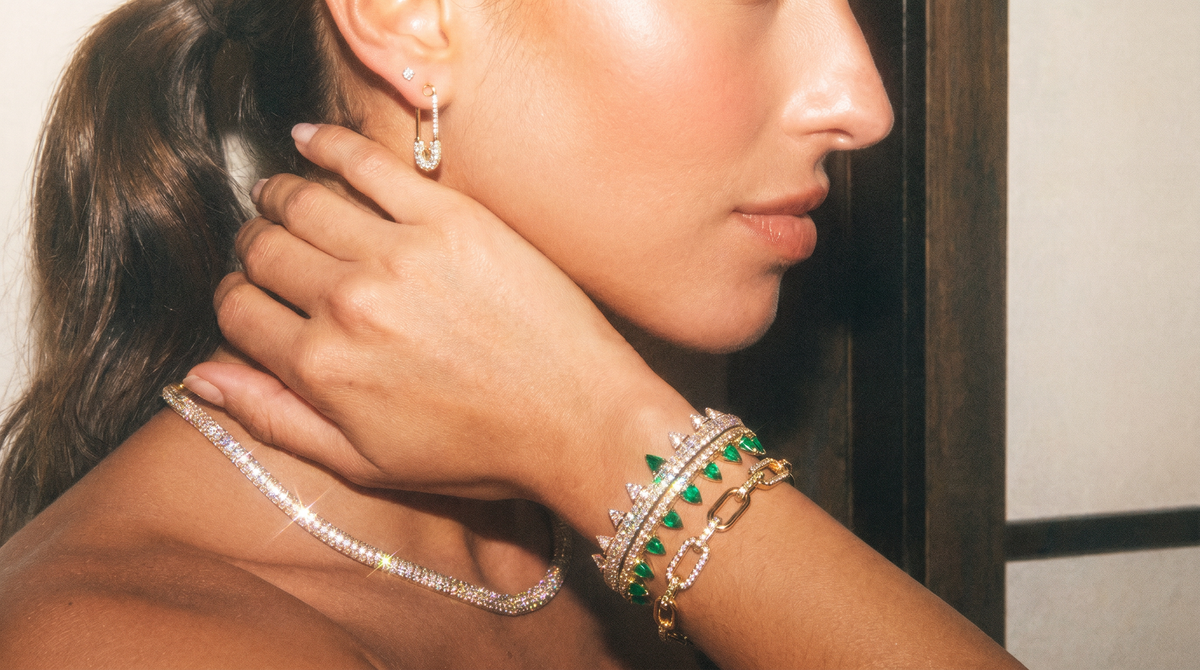
A minimalist jewelry wardrobe is not about owning fewer pieces for the sake of it. It is about owning the right pieces, ones that work together, suit your daily life, and can be worn in multiple combinations without requiring a different collection for every occasion. The goal is a small, intentional set of jewelry that covers everything you actually need rather than a large collection where most pieces rarely get worn.
This guide covers how to build that collection from scratch, which categories to prioritise, how many pieces you actually need, and how to add to the wardrobe over time without losing the coherence that makes it work.
What Is a Minimalist Jewelry Wardrobe?
A minimalist jewelry wardrobe is a curated set of pieces, typically six to twelve items, that covers all the jewelry categories you wear regularly and works across the different contexts of your daily life. Every piece in the wardrobe should be wearable on its own, and most pieces should work in combination with at least two or three others.
The minimalist approach is not about wearing less jewelry. It is about wearing jewelry with more intention. A person who wears three pieces every day from a wardrobe of eight has a more functional collection than someone who owns fifty pieces but reaches for the same two repeatedly.
Step One: Choose One Metal Tone and Commit to It
The single decision that makes a minimalist jewelry wardrobe work is committing to one metal tone. When every piece shares the same metal tone, any combination of pieces from the wardrobe will look considered rather than accidental. When pieces are split across gold and silver, every combination requires a deliberate decision about whether the mix works, which adds friction to getting dressed.
Yellow gold is the most versatile choice for a mixed wardrobe because it works with both warm and cool clothing colours, even if the effect differs slightly. It also reads as elevated across a wider range of occasions without requiring the outfit to be particularly dressed up.
Once you have chosen a metal tone, apply it consistently. Every new piece you add should match the existing tone. This is the rule that keeps the wardrobe coherent as it grows.
Step Two: Build the Foundation With Four Pieces
A functional minimalist jewelry wardrobe starts with four pieces, one from each of the main categories. These four pieces form the foundation that everything else is built around.
1. One Chain Necklace
A plain chain necklace at 16 to 18 inches is the most versatile single piece of jewelry you can own. It works with almost every neckline, suits every occasion from casual to formal, and can be worn alone or layered with a second chain. Choose a weight that is visible without being prominent, typically a chain at 1 to 1.5mm width. This is your anchor necklace, the piece you reach for first every day.
2. One Pair of Small Hoops or Studs
A pair of small hoops at 12 to 16mm or a pair of simple studs is the earring equivalent of the anchor necklace. It works across face shapes, outfit types, and occasions without requiring any styling consideration. Small hoops have a slight advantage over studs because they add a small amount of movement and read as slightly more deliberate while still being completely effortless to wear.
3. One Thin Band Ring
A slim plain band worn on whichever finger feels natural is the most understated piece in the wardrobe and often the one that gets the most consistent wear. It requires no styling decision, works with everything, and adds a quiet detail to the hand that reads as intentional without drawing attention. This is the piece you forget you are wearing, which is exactly what makes it work every day.
4. One Chain Bracelet
A medium chain bracelet at a standard fit adds a category to the wrist that most people leave empty in their everyday look. It does not need to be prominent. A 1.5 to 2mm chain bracelet that moves naturally on the wrist is enough to complete the look without requiring any additional thought.
These four pieces, all in the same metal tone, give you a complete everyday look across all four jewelry categories. They can be worn together or in any combination, and each one works alone.
The everyday essentials collection is a good starting point for finding these four foundation pieces.
Step Three: Add Depth With Four to Six More Pieces
Once the foundation is in place, the next layer of the wardrobe adds variety and flexibility without duplicating what you already have. Each new piece should either add a new length, a new style within a category, or a new combination possibility.
A Second Necklace at a Different Length
If your anchor necklace is 16 inches, add an 18-inch chain. If it is 18 inches, add a 20-inch chain. The second necklace should be slightly different in weight or link style to prevent tangling and to add visual texture when the two are layered. This one addition gives you three necklace options: the first alone, the second alone, and both layered together.
A Second Ring for Stacking
A second thin band worn on the same finger as the first, or on an adjacent finger, creates a ring stack without requiring a dramatic change in style. The second ring should be similar in width to the first or slightly thinner, so the two read as a deliberate combination rather than two unrelated pieces worn at the same time.
A Pair of Medium Hoops for Evening
A pair of hoops at 18 to 22mm gives you an earring option that reads as slightly more expressive than your everyday small hoops without crossing into statement territory. This is the pair you reach for when the occasion is slightly more dressed up, or when you want the earrings to be the focal point of the look.
A Second Bracelet for Stacking
A second bracelet in a slightly different style, a slim bangle alongside a chain bracelet, or a thinner chain alongside a medium one, gives you a wrist stack option for days when you want more presence on the wrist. Worn separately, each bracelet is a clean everyday piece. Worn together, they create a layered look without requiring any additional pieces.
With eight pieces total, four foundation pieces and four additions, you have enough variety to create a different look every day of the week while keeping the wardrobe small enough to be genuinely manageable.
How Many Pieces Does a Minimalist Jewelry Wardrobe Actually Need?
Six to ten pieces is the practical range for a functional minimalist jewelry wardrobe. Fewer than six and you may not have enough variety for different occasions. More than twelve and the collection starts to require curation decisions that defeat the purpose of keeping it minimal.
The right number depends on how many categories you wear and how much variety you want within each. Someone who only wears necklaces and earrings needs fewer pieces than someone who wears all four categories. Someone who wants a different look every day needs slightly more than someone who is happy wearing the same combination most of the time.
A useful test: if you can wear every piece in your wardrobe at least once in a two-week period without forcing it, the wardrobe is the right size. If pieces are going unworn for months, the wardrobe has grown beyond what you actually use.
The Capsule Jewelry Wardrobe: A Complete Example
| Piece | Category | Role in Wardrobe |
|---|---|---|
| 16-inch plain chain necklace | Necklace | Anchor piece, worn daily |
| 18-inch chain necklace (slightly different link) | Necklace | Second layer, worn alone or layered |
| Small hoops, 12 to 14mm | Earrings | Everyday earring, worn most days |
| Medium hoops, 18 to 22mm | Earrings | Evening or focal point earring |
| Thin band ring, finger 1 | Ring | Daily wear ring, worn alone or stacked |
| Thin band ring, finger 2 or same finger | Ring | Stack addition or second finger ring |
| Medium chain bracelet | Bracelet | Daily wrist piece |
| Slim bangle or thinner chain bracelet | Bracelet | Stack addition for more dressed looks |
Eight pieces. Four categories. Enough combinations for a different look every day without any piece feeling redundant.
How to Add to the Wardrobe Without Losing Coherence
The most common way a minimalist jewelry wardrobe loses coherence is by adding pieces without a clear reason. A piece bought because it was beautiful in isolation, without considering how it fits into the existing collection, often ends up unworn because it does not combine naturally with what is already there.
Before adding a new piece, ask two questions: does it share the metal tone of the existing wardrobe, and does it work with at least two pieces already in the collection? If the answer to both is yes, the piece earns its place. If the answer to either is no, it will likely sit unworn regardless of how much you liked it in the moment of purchase.
Adding one piece at a time, rather than buying multiple pieces at once, also makes it easier to see how each new addition integrates before adding the next. A wardrobe built gradually tends to be more coherent than one assembled quickly.
Choosing Pieces That Work Across Occasions
A minimalist jewelry wardrobe works best when every piece in it can move between at least two different contexts: casual and work, or work and evening, or casual and evening. A piece that only works in one context is a specialist item rather than a wardrobe staple.
The pieces most likely to work across contexts are those in the middle of the scale range: chains at 16 to 18 inches, hoops at 12 to 20mm, rings that are slim but not so delicate they disappear, and bracelets at a standard fit with a clean clasp. These pieces have enough presence to read clearly in casual contexts and enough restraint to work in professional and evening settings without adjustment.
Pieces at the extremes of the scale range, very fine chains that disappear against most fabrics, or very large hoops that shift the mood of any outfit significantly, are harder to integrate across multiple contexts and are better added later once the foundation is established.
Caring for a Small Wardrobe: Why It Matters More With Fewer Pieces
When you own fewer pieces and wear each one more frequently, the care habits that extend the life of the finish become more important. A piece worn every day for two years needs more consistent care than a piece worn occasionally.
The core habits that protect a minimalist jewelry wardrobe: put pieces on after skincare and fragrance, remove before water exposure, wipe with a soft cloth after wearing, and store each piece separately in a pouch or on a stand. These four habits, done consistently, extend the life of gold plated pieces significantly and keep the wardrobe looking sharp over time.
DEBACQ pieces are built for this kind of consistent daily wear, using 18k yellow gold plating over the DEBACQ Yellow Alloy, a base made from 95% recycled material with anti-tarnish properties. The formulation is designed to hold up to the friction and exposure of daily wear rather than requiring careful handling.
Do and Don't: Building a Minimalist Jewelry Wardrobe
| Do | Don't |
|---|---|
| Commit to one metal tone across the entire wardrobe | Mix metals without a clear intention or system |
| Start with one piece per category before adding variety | Buy multiple pieces in the same category before the foundation is complete |
| Add pieces that work with at least two existing pieces | Buy pieces in isolation without considering how they combine |
| Choose pieces in the middle of the scale range for versatility | Start with very fine or very bold pieces that only work in one context |
| Add one piece at a time and wear it before buying the next | Assemble the wardrobe all at once without testing combinations |
| Apply consistent care habits to pieces worn daily | Treat daily wear pieces the same as occasional pieces |
Where to Start
Browse the bestsellers for pieces that have proven wearable across different styles and occasions. For individual categories, explore gold necklaces, gold earrings, minimalist gold rings, and gold bracelets. The under $50 collection is a practical starting point for building the foundation without a large upfront investment.
Frequently Asked Questions
How many pieces of jewelry do you need for a minimalist wardrobe?
Six to ten pieces is the practical range for a functional minimalist jewelry wardrobe. Four foundation pieces, one per category, cover everyday needs. Four to six additional pieces add variety for different occasions and combinations. More than twelve pieces starts to require curation decisions that work against the minimalist approach.
What is the first piece to buy for a minimalist jewelry wardrobe?
A plain chain necklace at 16 to 18 inches in your preferred metal tone. It is the most versatile single piece of jewelry you can own, works with almost every neckline and occasion, and serves as the anchor around which the rest of the wardrobe is built.
Should a minimalist jewelry wardrobe be all one metal tone?
Yes, for the most coherent result. When every piece shares the same metal tone, any combination from the wardrobe looks considered rather than accidental. Mixing metals requires deliberate decisions about which combinations work, which adds friction to getting dressed and works against the simplicity that makes a minimalist wardrobe functional.
How do you add to a minimalist jewelry wardrobe without it becoming cluttered?
Before adding a new piece, check that it shares the metal tone of the existing wardrobe and works with at least two pieces already in the collection. Add one piece at a time and wear it before buying the next. If a piece goes unworn for more than a month after purchase, it is not integrating into the wardrobe and should be reconsidered.
What is the difference between a minimalist jewelry wardrobe and a capsule jewelry wardrobe?
The terms are often used interchangeably. Both refer to a small, curated set of pieces that work together across different occasions. A capsule wardrobe typically implies a more deliberate system, where every piece has a defined role and the collection is designed to cover all needs with the minimum number of items. A minimalist wardrobe is a broader concept that emphasises restraint and intention without necessarily implying a specific system.
Can a minimalist jewelry wardrobe work for both casual and formal occasions?
Yes, when the pieces are chosen in the middle of the scale range. A chain necklace at 16 to 18 inches, small to medium hoops, a thin band ring, and a slim chain bracelet all move between casual, professional, and evening contexts without adjustment. Pieces at the extremes of the scale range, very fine or very bold, are harder to use across multiple contexts and are better added once the versatile foundation is in place.