

How to Choose a Gift for a Jewelry Lover

Buying jewelry as a gift is one of the most considered things you can do, and one of the easiest to get wrong. The challenge is not finding something beautiful. It is finding something that fits the person's existing style, works with what they already own, and does not require a return or exchange before it can be worn.
This guide covers how to read someone's jewelry style, which pieces are the safest gifts, how to handle sizing, and what to do when you genuinely do not know where to start.
The First Step: Read Their Existing Jewelry
The most reliable way to choose a jewelry gift is to look at what the person already wears. Not what they own, but what they actually put on every day. The pieces someone reaches for consistently tell you more about their taste than anything they say about jewelry in the abstract.
What to Look For
- Metal tone: Do they wear yellow gold, silver, or rose gold? Most people have a strong preference and wear one tone almost exclusively. A gift in the wrong metal tone will not get worn, regardless of how well-designed it is.
- Scale: Are their pieces delicate and fine, or more substantial? Someone who wears very fine chains and thin bands will not feel comfortable in a chunky chain, even if it is well made.
- Style: Minimal and clean, or more expressive and layered? A person who wears one thin ring and a small hoop every day has a different aesthetic from someone who stacks five rings and three necklaces.
- Categories: Do they wear necklaces, earrings, rings, or bracelets? Some people wear earrings every day but never wear bracelets. A bracelet gift for someone who does not wear them is unlikely to become a daily piece.
If you can observe two or three of these factors, you have enough information to make a considered choice. If you cannot observe any of them, the safest gifts are covered below.
The Safest Jewelry Gifts: What Works for Almost Anyone
Some jewelry pieces are significantly easier to gift than others because they do not require precise sizing, work across a wide range of personal styles, and are versatile enough to be worn in multiple ways.
A Delicate Chain Necklace
A fine chain necklace at 16 to 18 inches is one of the most universally wearable jewelry gifts. It does not require sizing, works with almost every neckline, and can be worn alone or layered with pieces the recipient already owns. A plain chain in yellow gold is the most versatile option because it does not impose a specific style on the wearer.
The length matters. A 16-inch chain sits at the collarbone and works with most necklines. An 18-inch chain sits just below the collarbone and is slightly more versatile for layering. If you are unsure, 18 inches is the safer choice because it works with more neckline types and is the more common everyday length.
Small Hoop Earrings
A pair of small hoops at 12 to 16mm is one of the most reliable jewelry gifts because they work across face shapes, outfit types, and personal styles. They are not so small as to be invisible and not so large as to feel like a statement. A small hoop in yellow gold is a piece that most people who wear earrings will actually use.
Hoops do not require sizing in the way rings do, which removes one of the main risks of jewelry gifting. The only consideration is whether the recipient has pierced ears, which is worth confirming before buying earrings as a gift.
A Thin Band Ring
A thin band ring is a beautiful gift but requires knowing the recipient's ring size, which is the main challenge. If you can find out their size, a slim plain band in their preferred metal tone is one of the most wearable everyday pieces you can give. It works alone, stacks with other rings, and suits almost every personal style within the minimalist range.
If you cannot find out their size, a ring is a higher-risk gift than a necklace or earrings. See the sizing section below for approaches to estimating size without asking directly.
A Chain Bracelet
A chain bracelet is a versatile gift that does not require precise sizing in the way a ring does. Most chain bracelets are sold in a standard length of 17 to 18cm, which fits most wrists with a comfortable standard fit. If the recipient has a notably smaller or larger wrist, a bracelet with an extender chain gives more flexibility.
A bracelet is a particularly good gift for someone who already wears necklaces and earrings but does not have much on their wrists. It adds a new category to their existing rotation without duplicating what they already own.
How to Match a Gift to Their Style
For the Minimalist Wearer
Someone who wears one or two pieces consistently and keeps their look clean and understated will appreciate a gift that fits into that system rather than disrupting it. A single fine chain necklace, a pair of small studs or hoops, or one thin band ring are all appropriate. Avoid sets or multiple pieces packaged together, as a minimalist wearer is unlikely to wear everything at once and may feel overwhelmed by the choice.
For the Stacker
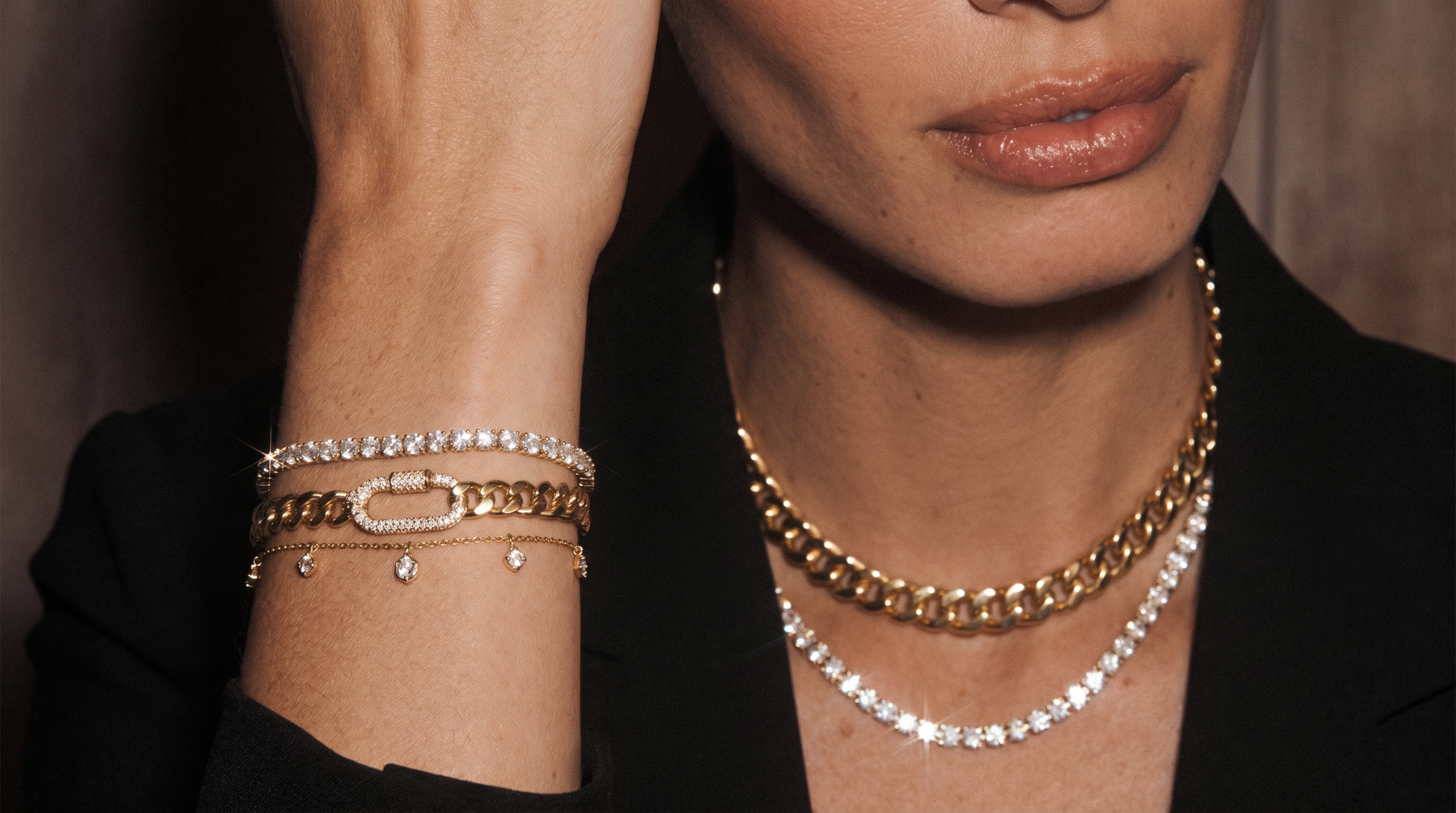
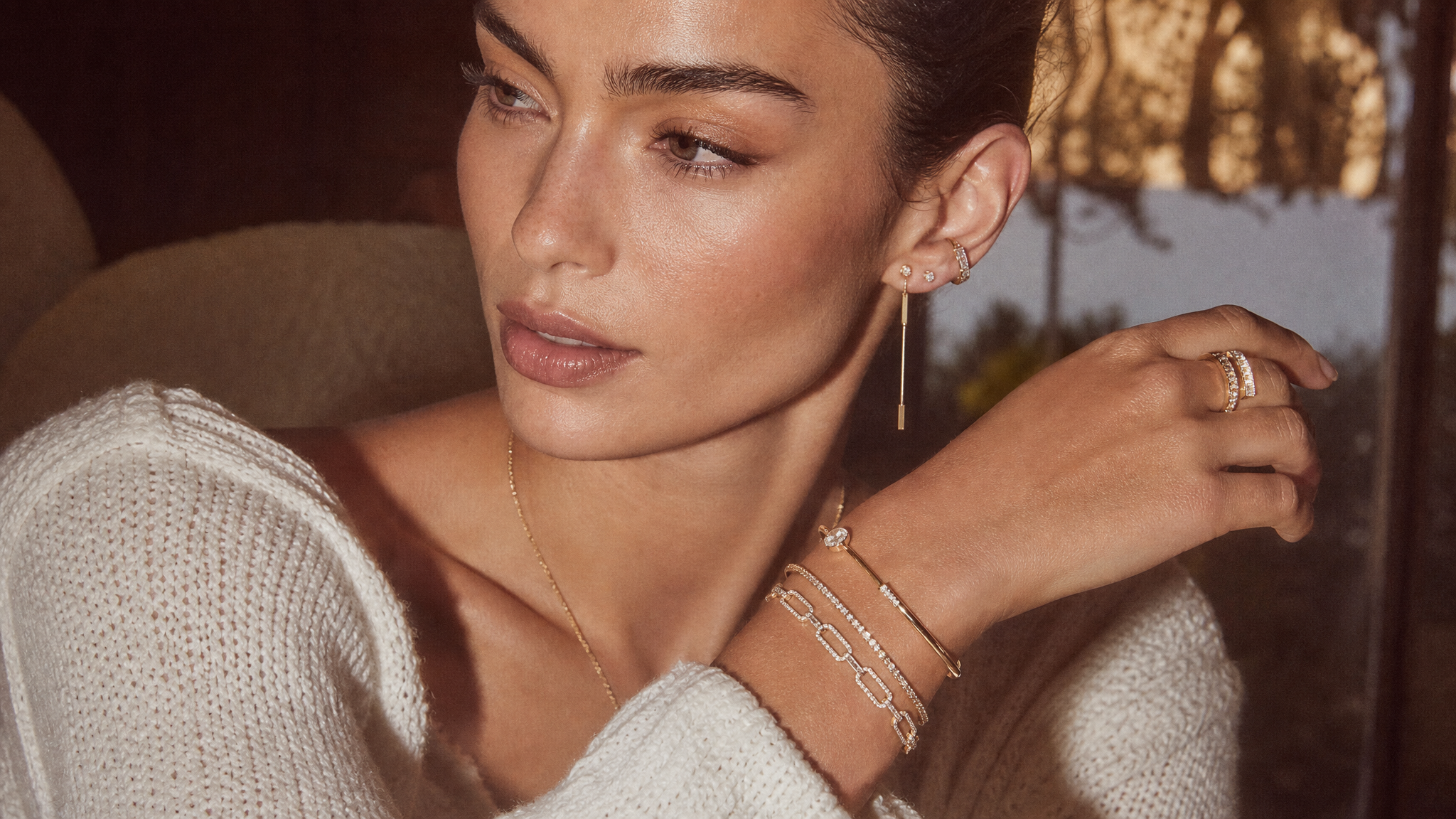
Someone who layers necklaces, stacks rings, and wears multiple bracelets will appreciate a piece that adds to their existing collection. A thin band ring in their preferred metal tone, a chain at a length they do not already have, or a bracelet that complements their existing wrist stack are all good choices. The key is adding something that works with what they already own rather than replacing it.
For Someone Who Wears Little Jewelry
Someone who rarely wears jewelry is not necessarily someone who does not want it. They may simply not have found pieces that feel right for their lifestyle. A very simple, low-maintenance piece, a fine chain necklace or a pair of small studs, is a better starting point than something that requires more styling consideration. The goal is a piece they can put on without thinking about it.
For Someone Whose Style You Do Not Know
When you genuinely cannot read the recipient's style, default to the safest options: a fine chain necklace at 18 inches or a pair of small hoops at 12 to 14mm, both in yellow gold. These are the pieces with the widest range of wearability across different personal styles. They are not the most exciting choices, but they are the ones most likely to actually be worn.
Handling Ring Sizing When Buying as a Gift
Ring sizing is the main practical challenge of gifting rings. A ring that does not fit cannot be worn until it is resized, which adds friction to what should be a straightforward gift.
Three approaches that work without asking directly:
- Borrow an existing ring: If the recipient wears rings, borrow one they wear on the finger you are buying for and measure the inner diameter. This gives you an accurate size without revealing the gift.
- Ask someone close to them: A partner, sibling, or close friend may already know their ring size or be able to find out without making it obvious.
- Size up rather than down: If you are estimating, a ring that is slightly too large can be resized by a jeweller. A ring that is too small cannot be worn at all until it is resized. When in doubt, go one size larger than your estimate.
As a general reference, the most common ring sizes for women in the UK fall between J and N (EU 49 to 53). For men, between R and V (EU 57 to 61). These are population averages and individual variation is significant, but they are a useful starting point when you have no other information.
Yellow Gold, Silver, or Rose Gold: How to Choose the Right Metal Tone
Metal tone is the single most important factor in whether a jewelry gift gets worn. A piece in the wrong metal tone will not integrate into the recipient's existing collection, regardless of how well-designed it is.
Look at what they wear. If every piece of jewelry you have seen them wear is yellow gold, buy yellow gold. If it is all silver, buy silver. If they mix metals, yellow gold is the most versatile choice because it works alongside both silver and rose gold more easily than silver works alongside rose gold.
If you have never seen them wear jewelry, yellow gold is the safer default. Yellow gold works across warm, cool, and neutral skin tones and has a warmth that reads as elevated without being formal. It is also the metal tone that tends to photograph best, which matters for pieces that will be worn and shared.
DEBACQ pieces use a consistent 18k yellow gold tone across all categories, which makes it straightforward to add a new piece to an existing DEBACQ collection without worrying about tone variation between pieces.
Gifting a Set vs a Single Piece
A set of matching pieces, a necklace and earrings, or a ring and bracelet, can feel like a generous gift but often works less well in practice than a single well-chosen piece. The reason is that a set imposes a specific combination on the wearer, which may not fit how they actually style their jewelry.
A person who already owns a necklace they wear every day does not need a matching necklace from a set. They need an earring or a ring that works with the necklace they already have. A single piece chosen to complement their existing collection is more useful and more considered than a set that duplicates what they already own.
The exception is when the recipient is new to jewelry and does not have an existing collection. In that case, a simple set of two or three pieces in the same metal tone gives them a starting point without requiring them to build a collection from scratch.
Jewelry Gift Quick Reference
| Recipient | Best Gift | Avoid |
|---|---|---|
| Minimalist wearer | One fine chain necklace or small hoops | Sets, multiple pieces, bold statement jewelry |
| Stacker | Thin band ring, chain at a new length, or bracelet | Duplicating a length or style they already own |
| Rarely wears jewelry | Fine chain necklace or small studs, low maintenance | Pieces that require styling consideration or care |
| Unknown style | 18-inch chain or 12 to 14mm hoops in yellow gold | Rings (sizing risk), bold or statement pieces |
| New to jewelry | Simple two-piece set in one metal tone | Single very minimal piece with no context |
Presentation: How You Give the Gift Matters
Jewelry is one of the few gift categories where presentation is part of the gift itself. A piece presented in a clean, considered box or pouch reads as more intentional than the same piece in a generic bag. The packaging signals that the gift was chosen with care, which is part of what makes jewelry feel special to receive.
If you are giving a ring and are not certain of the size, include a note acknowledging this and making it easy for the recipient to exchange or resize without awkwardness. Framing the sizing as a practical next step rather than a mistake removes the discomfort from the exchange process.
Where to Start
Browse the gifts collection for pieces selected for their versatility and wearability across different styles. For specific categories, explore gold necklaces, gold earrings, minimalist gold rings, and gold bracelets. The bestsellers are a reliable starting point for pieces that have proven wearable across a wide range of personal styles.
Frequently Asked Questions
What is the safest jewelry gift to buy?
A fine chain necklace at 18 inches or a pair of small hoops at 12 to 14mm in yellow gold are the safest jewelry gifts because they do not require sizing, work across most personal styles, and are versatile enough to be worn with pieces the recipient already owns. Both are low-risk choices that most people who wear jewelry will actually use.
How do I find out someone's ring size without asking?
Borrow a ring they already wear on the finger you are buying for and measure the inner diameter. Alternatively, ask a close friend or family member who may already know. If you are estimating without any information, size up rather than down. A ring that is slightly too large can be resized. One that is too small cannot be worn until it is resized.
Should I buy gold or silver jewelry as a gift?
Look at what the recipient already wears. If they consistently wear one metal tone, match it. If you have never seen them wear jewelry, yellow gold is the safer default because it works across warm, cool, and neutral skin tones and integrates well with both silver and rose gold if they choose to mix metals later.
Is it better to give a jewelry set or a single piece?
A single well-chosen piece is usually more useful than a set, because it can be integrated into the recipient's existing collection rather than imposing a specific combination. A set works best when the recipient is new to jewelry and does not have an existing collection to build on.
What jewelry is appropriate as a gift for someone who rarely wears it?
A very simple, low-maintenance piece is the best starting point. A fine chain necklace or a pair of small studs in yellow gold requires minimal styling consideration and can be worn daily without much thought. Avoid pieces that require care routines, specific outfit pairings, or sizing precision, as these add friction for someone who is not already in the habit of wearing jewelry.
What is a good jewelry gift for someone whose style I do not know?
An 18-inch fine chain necklace or a pair of small hoops at 12 to 14mm in yellow gold. These are the pieces with the widest range of wearability across different personal styles. They are not the most personalised choices, but they are the ones most likely to be worn consistently rather than kept in a drawer.