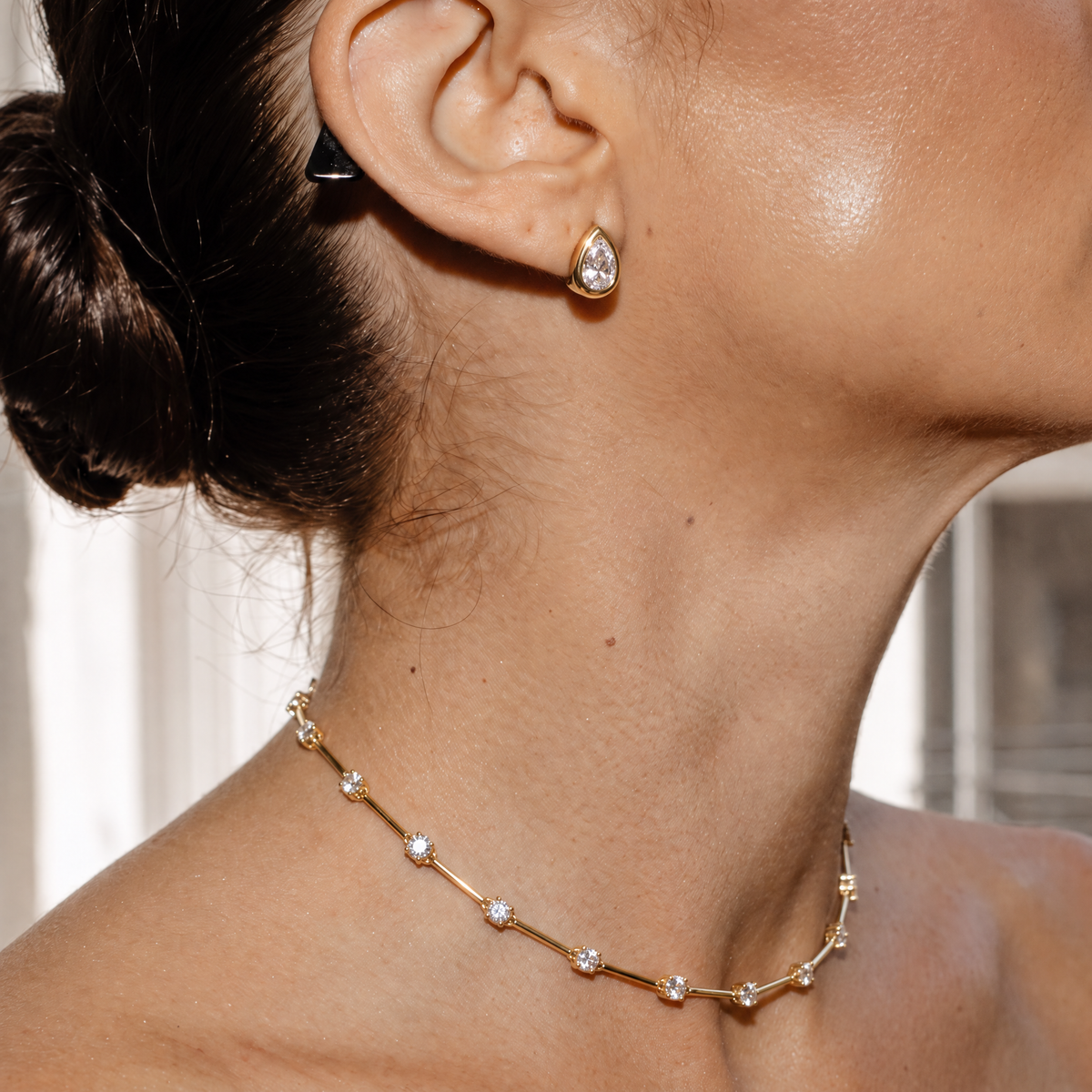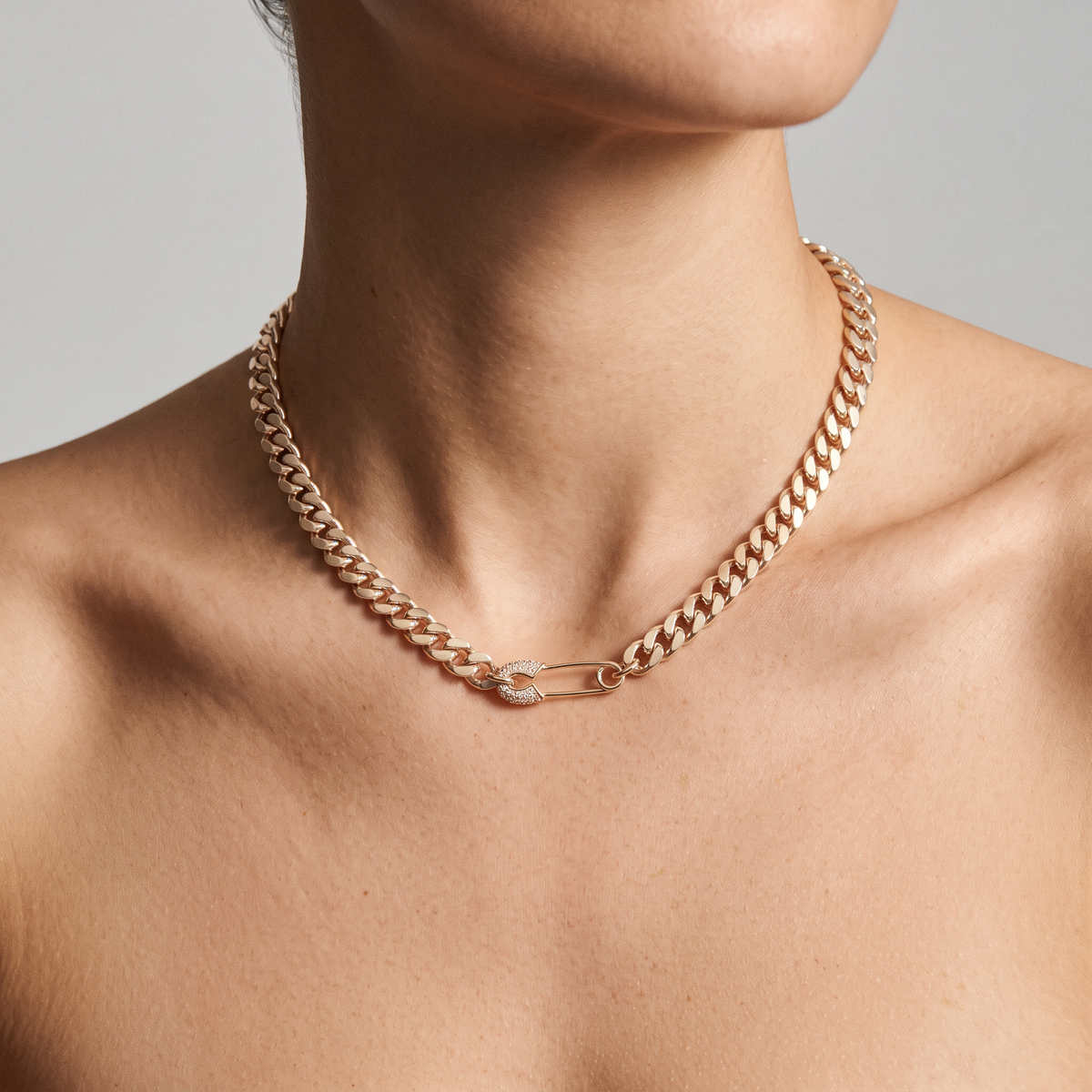


Cubic Zirconia vs Diamond: How to Tell Them Apart
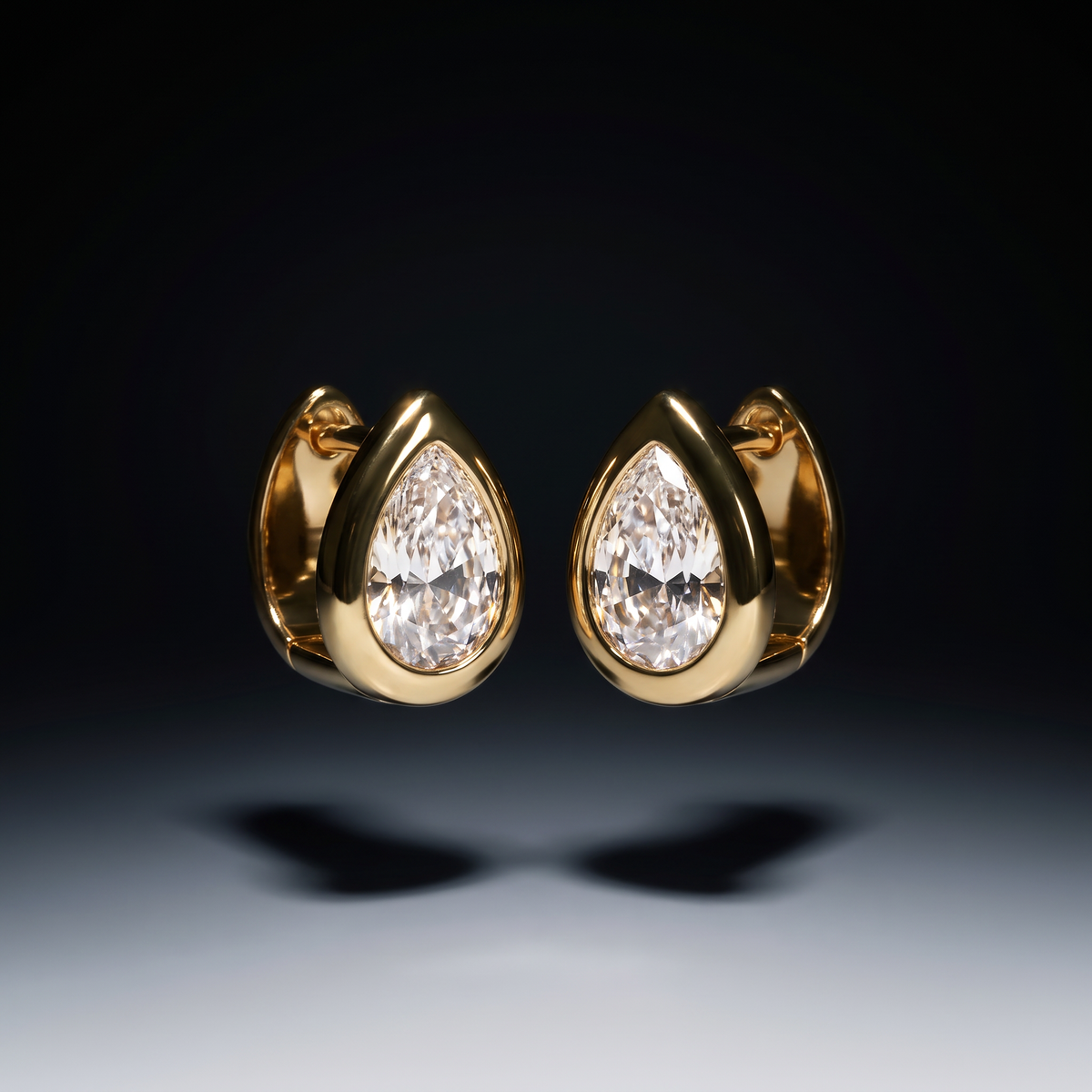
Cubic zirconia and diamond can both sparkle, but they are different materials. CZ is manufactured zirconium dioxide; diamond is crystalline carbon, whether natural or laboratory-grown. Diamond is more resistant to scratching. To identify an unknown stone, have it examined by a qualified gemologist rather than relying on a photograph or a home test.
Cubic zirconia vs. diamond: the main differences
Before comparing two pieces, separate the stone from the setting. A white stone in a gold-colored ring does not tell you either material. Start with the written description, then compare the details that matter to your purchase.
- Material
- CZ is zirconium dioxide. Diamond is carbon with a different crystal structure. CZ can resemble diamond, but it is not a lower grade of the same gemstone.
- Hardness
- GIA lists CZ at 8.5 on the Mohs scale and diamond at 10. Diamond has the advantage in scratch resistance. Neither number guarantees that a finished piece cannot be damaged.
- Light
- CZ has slightly more fire, meaning colored flashes, but less brilliance than diamond. That difference is not a dependable identification test for someone comparing product photographs.
- Price
- CZ is generally a more affordable gemstone choice. Compare the complete jewelry, including its metal and construction, rather than assuming the stone alone explains the price.
Gemstone references: GIA's guide to imitation gem materials, comparison of diamond simulants and diamond durability guide. These describe the materials, not laboratory tests of DEBACQ products.
How to tell the difference between diamonds and cubic zirconia
Start with the description and any documentation
Look for a specific stone name on the listing or receipt. A metal mark does not identify the gemstone. When a diamond report is supplied, verify it through the issuing laboratory and have the stone matched to that report if its identity is uncertain.
Have an unknown stone examined
For inherited, unlabeled or second-hand jewelry, ask a qualified gemologist to identify the material. Further laboratory testing may be needed. GIA recommends professional examination in its guide to identifying a diamond .
Skip the fog and scratch tests
GIA warns that breathing on a stone does not produce consistent identification results, and the newspaper test is not conclusive. Do not scratch a stone or rub it with sandpaper to test it. That can damage the gemstone and its setting.
Cubic zirconia is not a lab-grown diamond
Both can be made in a laboratory, but that does not make them the same material. A laboratory-grown diamond has the diamond crystal structure of tightly bonded carbon atoms. CZ has a different composition and different physical properties.
Natural and laboratory-grown diamonds are much closer to each other than either is to CZ. Distinguishing their origins requires specialist testing, not simply checking whether a stone looks bright or clear. GIA explains the distinction in its guide to simulants and laboratory-grown diamonds .
When you shop, keep two questions separate: what is the stone, and where did it come from? A listing should make both clear when the product is sold as diamond jewelry.
Does cubic zirconia look like diamond?
Colorless CZ can resemble diamond, which is why it is used as a diamond simulant. Its flashes of color do not make it identical to diamond, just as a brightly lit photograph does not establish which material you are seeing.
When choosing for appearance, compare the stone sizes, shapes and setting pattern. A ring covered with small stones gives a different effect from a ring with one large center stone. Decide which design you enjoy rather than buying on a promise that nobody will notice the material difference.
Which is more durable for everyday jewelry?
Diamond is more scratch-resistant than CZ, but hardness is only one part of durability. GIA distinguishes resistance to scratching from resistance to breaking or chipping. A diamond can still chip if struck in a vulnerable place.
The metal, clasp and settings matter too. A hard stone cannot stop a clasp from loosening or make a plated finish permanent. Compare the whole construction, and follow the care instructions for the actual piece rather than the gemstone alone.
Should you choose cubic zirconia or diamond?
Choose CZ when the design is the reason for buying
Perhaps you want a sparkling piece for dinner, a wedding outfit or a change from your usual plain metal. CZ can be a considered choice when you like the design, accept its material properties and are comfortable with the care it needs. It does not have to stand in for a diamond purchase.
Choose diamond when diamond is part of the brief
When you specifically want diamond's material properties, or the recipient has asked for a diamond, compare natural and laboratory-grown options with clear documentation. A different white gemstone is not the same gift under a less expensive label.
Compare the full price, not a supposed equivalent
A plated CZ ring and a solid-gold diamond ring differ in more than their stones. Read the metal description, dimensions and purchase terms before judging value. Choose within your own budget without assuming that a similar outline makes two pieces equivalent.
Two ways to choose cubic zirconia at DEBACQ
DEBACQ does not sell diamonds. The designs below use white cubic zirconia and plated brass. Explore our tennis bracelets for a flexible line of stones, or cocktail rings for a more concentrated detail on the hand.
Choose the bracelet's length or the ring's size before settling on the design. Our size guide explains what to measure. For a missing dimension, contact us with the product name.
Gold-plated versions pictured separately, not to scale. These are selections from our own collection, not a photographed CZ-versus-diamond comparison or a wear test. Product pages show current prices and options.
Cubic zirconia and diamond questions
Is cubic zirconia a real diamond?
No. CZ is a real manufactured gemstone, but its composition is different from diamond. Laboratory-grown diamond is diamond; cubic zirconia is a different material altogether.
Does a gold setting prove the stone is a diamond?
No. The metal and gemstone need separate identification. A gold setting or hallmark alone cannot confirm that a white stone is a diamond.
Can I wear CZ jewelry with diamond jewelry I already own?
Yes. Try the pieces together for their shapes and proportions rather than requiring the same gemstone throughout your outfit. Keep settings from rubbing against one another, store pieces separately and follow the care instructions for each material.
Know the material. Enjoy the design.
A changing line of stones or a ring covered in small points of light. Choose a piece for what it is, with the materials and fit clearly understood. A design does not need to be a diamond to become one you enjoy wearing.
Tennis Bracelets
Written by Ben Levante