

What Is Pavé Jewelry? Meaning, Settings and Care
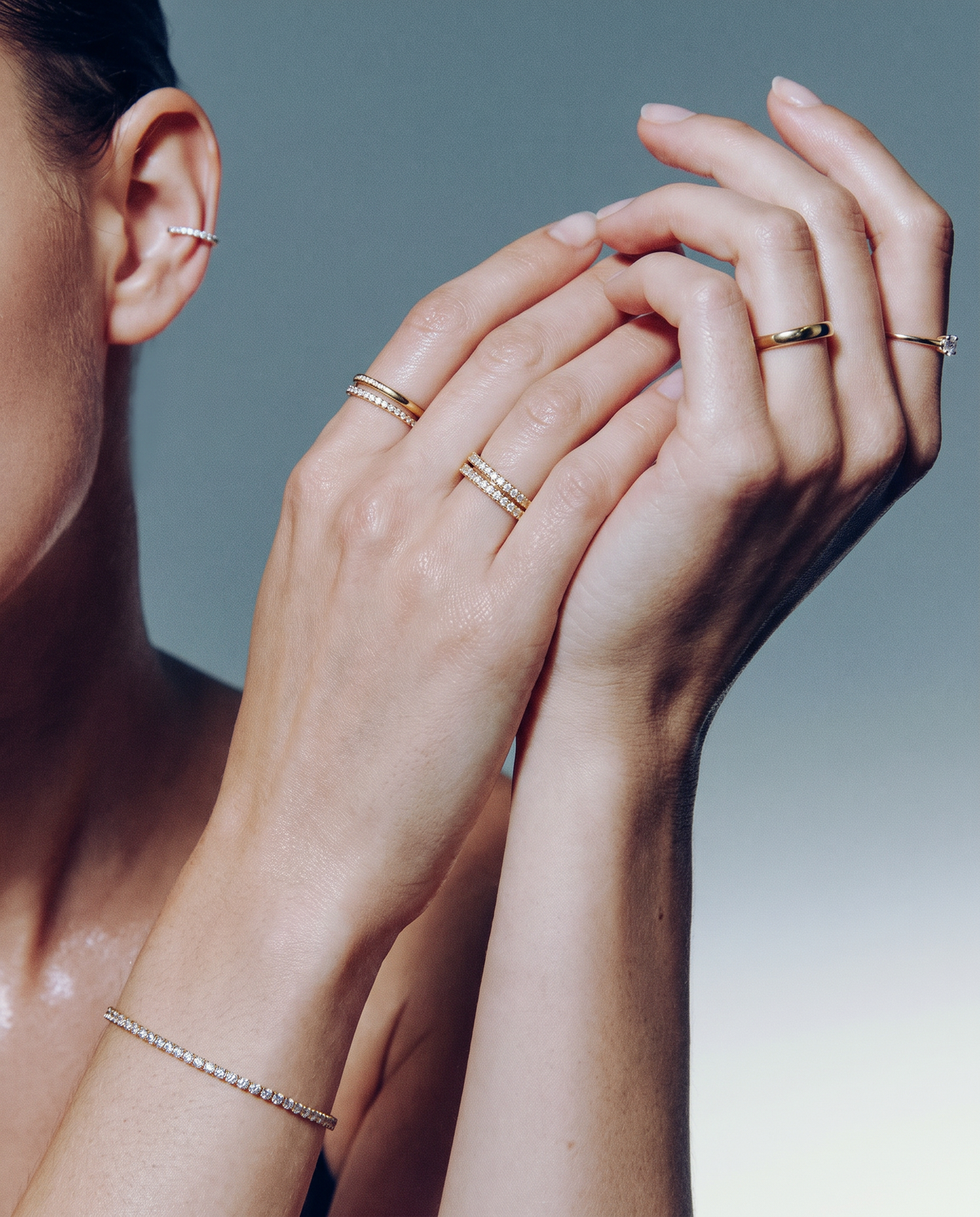
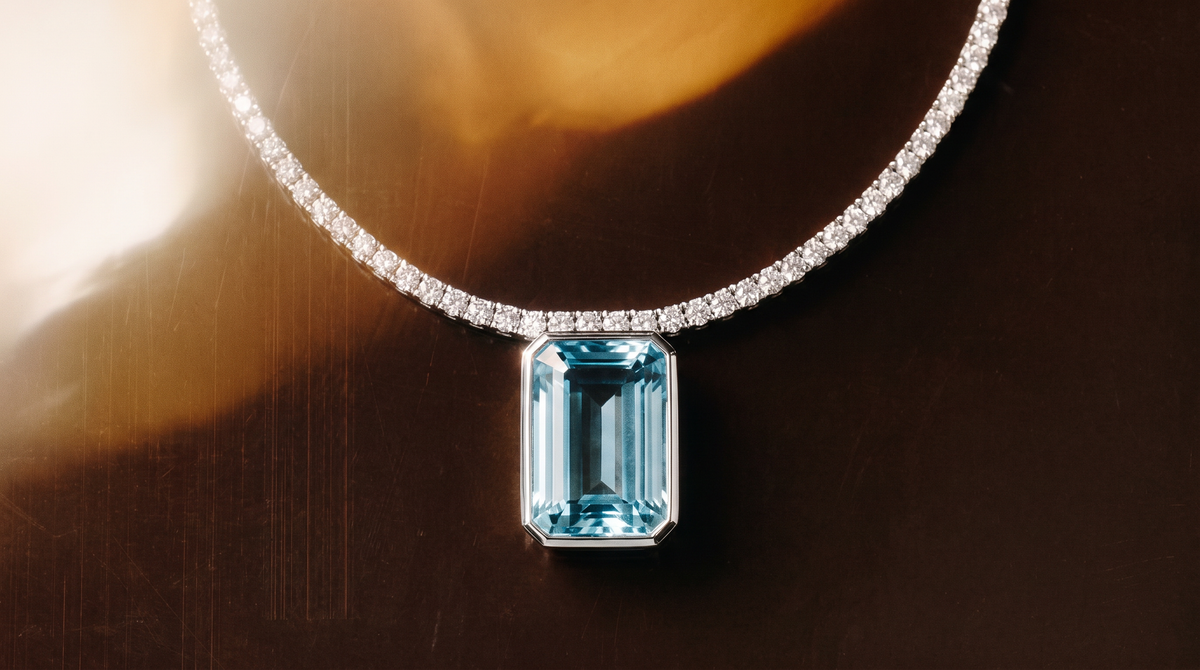
Pavé jewelry features small stones set close together, creating a sparkling surface with little metal showing between them. The word describes the setting style, not the stone or metal. A pavé design can feature diamonds, cubic zirconia or other stones, so check the materials separately before choosing a piece.
What does pavé mean in jewelry?
Pronounced pah-VAY, pavé comes from the French word for paved. Think of a surface covered with small stones rather than one large center stone. You will also see it written as "pave" without the accent; in jewelry descriptions, it refers to the same idea.
Traditional pavé settings typically use tiny metal beads or prongs to hold the stones. The close spacing creates the effect; the word does not describe a gemstone cut. A ring can have pavé detailing across its shoulders, while earrings can use it on selected sections.
When reading a product description, separate three pieces of information:
- The setting
- How the stones are arranged and held. Pavé belongs here.
- The stones
- What the stones are made of, such as diamond or cubic zirconia.
- The metal
- The base material and any surface finish, such as gold-plated brass.
Does pavé mean real diamonds?
No. "Diamond pavé" specifies diamonds; "pavé" by itself does not. The DEBACQ pieces featured in this guide use white cubic zirconia. Cubic zirconia is a different material from diamond, including laboratory-grown diamond. GIA explains that distinction in its guide to diamond simulants.
The same distinction applies to the metal. "Gold pavé ring" does not tell you whether a piece is solid gold or gold plated. Look for a material description that names the finish and the metal underneath, rather than making that decision from its color or product name.
A useful way to compare pieces is to write down the setting, stones and metal for each. You can then choose the look you like with a clear understanding of what you are buying.
All-over pavé or a smaller accent?
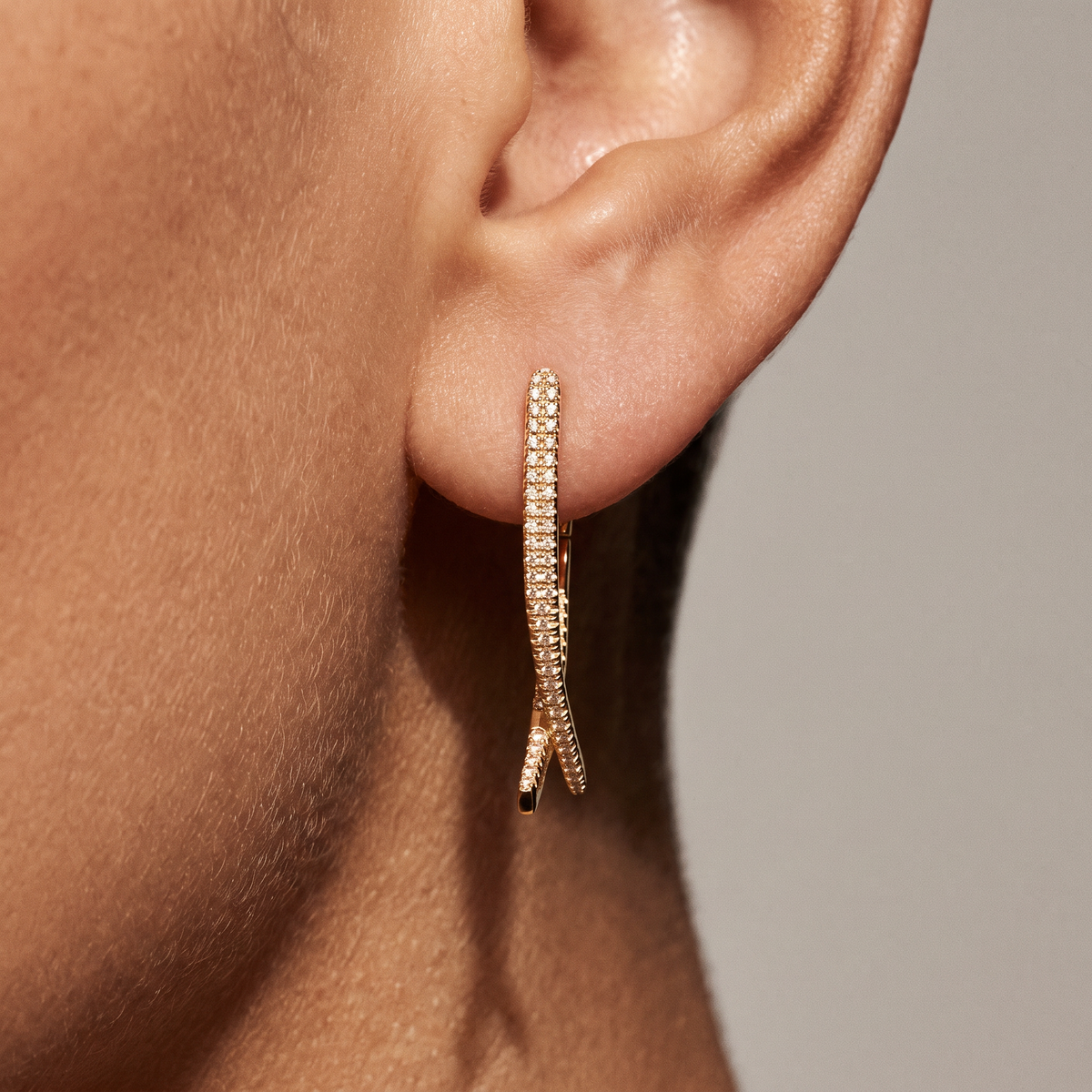
These two DEBACQ designs show how different pavé can look. The Full Pavé Dome Ring places the detail across a broad curved surface. The Luna Pavé Hoop Earrings alternate stone-set sections with polished metal. Both use small white stones, but they create different patterns.
For a statement piece, start with the fuller stone-covered shape. For a mix of sparkle and visible metal, look at the alternating design. Choose the balance you enjoy rather than assuming that more stones always make a better choice.
Pavé, halo, bezel and channel: what changes?
These terms are not interchangeable. Some describe how a stone is held; others describe the overall arrangement. A single piece can combine more than one.
- Pavé
- Small stones sit closely together, typically secured by tiny beads or prongs.
- Halo
- Smaller stones surround a center stone. That border can itself use pavé.
- Bezel
- A metal rim holds a stone around its edge, creating a visible outline.
- Channel
- A row of stones sits between two metal walls rather than individual beads.
For the technical distinctions, see GIA's guide to settings and setting styles.
What to check before buying pavé jewelry
-
Look beyond the front photograph
Compare the front, side and on-body views where available. Notice which surfaces carry stones and which are polished. With a ring, look at the width and underside. With earrings, check the fastening and how far the design extends below the ear.
-
Choose the size before the styling
Check the intended finger rather than assuming a ring will fit anywhere you want to wear it. Use the listed dimensions and our size guide as your starting point. Ask about missing measurements instead of estimating from a model photograph.
-
Think about the pieces beside it
Before planning a stack, consider whether the settings will sit against another ring or a watch. Try a broad pavé ring on its own first. Our guide to wearing multiple rings offers arrangements that do not depend on pressing several rings together on one finger.
How to wear pavé without saving it for an occasion
Start with one piece and the clothes already in your wardrobe. A stone-covered ring can change the feel of a plain cotton shirt; pavé hoops can add detail beside a smooth crew-neck top. There is no need to match every accessory or build a complete set.
For a quieter combination, mix the sparkling surface with plain metal elsewhere. For evening, repeat the white stones in a second piece but check the whole outfit before adding more. Our guide to pairing a necklace with statement earrings includes options with and without another piece at the neck.
How to clean and care for plated pavé jewelry
Choose the care routine for the complete piece, not the stones alone. A cleaning method intended for unplated diamond jewelry may not suit a plated design. For the DEBACQ pieces in this guide:
- Let lotions and perfume dry before putting jewelry on.
- Remove it before showering, swimming, exercise or sleep.
- Wipe gently with a soft, dry cloth, using a light touch around settings.
- Store pieces separately. Avoid chemical dips, polishing compounds and vigorous rubbing.
Do not soak the piece or use steam or ultrasonic cleaning unless a jeweler confirms that the specific design is suitable. If a setting feels loose, stop wearing it and contact us rather than attempting a repair. Read the full materials and care guide for more detail.
Pavé jewelry questions
Is pavé the same as gold plating?
No. Pavé describes the stone setting; gold plating is a surface finish over another metal. A single piece can have both, as the two examples in this guide do.
Can a pavé ring be resized?
It depends on the construction. Resizing can disturb small settings, especially where stones extend around the band. Confirm with the seller or a jeweler before assuming it is possible.
Does pavé mean stones will fall out?
Not automatically. Security depends on construction, wear and maintenance, not the name alone. Small settings benefit from inspection; a loose stone or snagging edge should be checked.
Choose the detail you want to see
A broad surface of stones or a few sparkling accents between polished sections. Start with the pattern, check the materials and fit, then choose the piece you can picture wearing with your favorite outfit.
Explore the jewelry collection
Written by Ben Levante